Healthcare

Healthy bones and joints are essential for maintaining mobility, balance, and an active lifestyle. However, injuries, age-related changes, arthritis, spinal conditions, and other musculoskeletal problems can cause persistent pain and limit everyday activities. Recognising these symptoms early and seeking appropriate medical care can help patients understand their condition and explore suitable treatment options.
Consulting a Bone specialist Abu Dhabi patients can rely on for a thorough assessment can be an important step towards better musculoskeletal health. A specialist evaluates symptoms, identifies potential causes, and recommends treatment based on the patient's individual needs. Bone Care One Day Surgery Center offers specialised orthopedic and spine care to help patients manage a range of bone, joint, and movement-related conditions.
A bone specialist, commonly an orthopedic doctor or surgeon, diagnoses and treats conditions affecting the bones, joints, muscles, ligaments, tendons, and spine. Depending on the diagnosis, treatment may involve medication, physiotherapy, lifestyle modifications, injections, or surgery.
Orthopedic specialists manage a wide range of conditions, including:
The goal is to relieve symptoms where possible, improve function, and help patients maintain their independence. The most appropriate treatment depends on the severity of the condition and the patient's overall health.
Many people initially ignore bone or joint pain, assuming it will resolve with rest. Although minor discomfort may improve naturally, persistent or worsening symptoms deserve medical attention.
Consider scheduling an orthopedic consultation if you experience:
Certain symptoms require urgent assessment. Severe pain after an accident, an obvious deformity, or an open fracture should be evaluated immediately. New back pain accompanied by bladder or bowel control problems, numbness around the groin, or progressive leg weakness also requires emergency medical attention.
Early evaluation can help identify the underlying problem and determine whether conservative treatment or a specialist procedure is necessary.
An accurate diagnosis is the foundation of effective orthopedic care. During the initial consultation, the specialist reviews the patient's symptoms, medical history, previous injuries, and lifestyle.
A physical examination helps assess joint movement, muscle strength, tenderness, swelling, posture, and mobility. Depending on the suspected condition, additional investigations may be recommended.
Common diagnostic methods include:
X-rays: These images help identify fractures, joint changes, and certain bone abnormalities.
MRI scans: MRI can provide detailed images of soft tissues, including ligaments, tendons, cartilage, and spinal structures.
CT scans: These may be useful for evaluating complex fractures and certain bone abnormalities.
Blood tests: In selected cases, laboratory investigations can help identify inflammatory or infectious conditions.
Not every patient requires every test. The specialist recommends investigations according to the symptoms and clinical findings, helping guide an appropriate treatment plan.
Orthopedic treatment varies according to the diagnosis, severity, age, activity level, and overall health of the patient. Surgery is not always the first option.
Many musculoskeletal conditions can initially be managed without surgery. Depending on the condition, treatment may include prescribed medication, physiotherapy, activity modification, and targeted exercises.
Physiotherapy can help improve strength, flexibility, balance, and joint function. Weight management and suitable low-impact activities may also reduce stress on weight-bearing joints.
Some orthopedic conditions can be treated through minimally invasive techniques. For example, arthroscopy uses a small camera and specialised instruments to examine or treat certain joint problems through small incisions.
The suitability of a minimally invasive procedure depends on the specific injury or condition, as well as the expected benefits and risks.
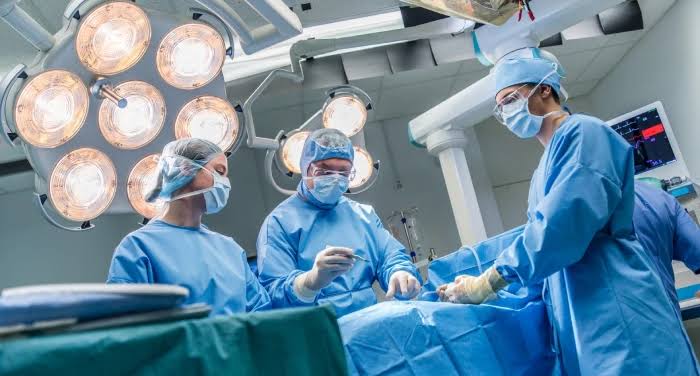
Surgery may be considered when conservative treatments do not provide sufficient relief or when an injury requires surgical intervention. Depending on the diagnosis, procedures may include fracture fixation, selected ligament repairs, or joint replacement.
The orthopedic surgeon explains the purpose of the procedure, possible complications, expected recovery, and alternative treatments before a decision is made.
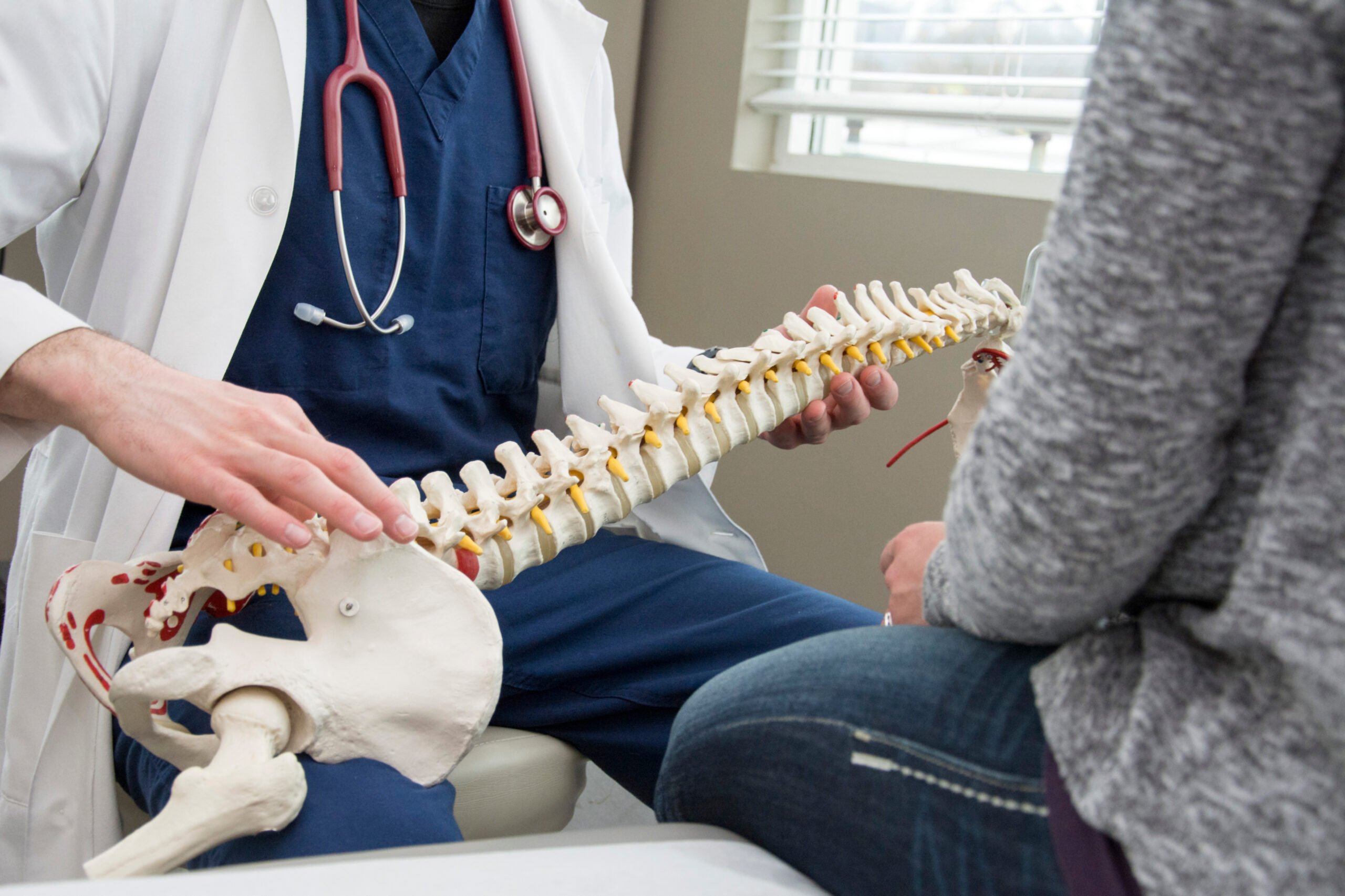
The spine supports the body, protects the spinal cord, and enables movement. Conditions affecting the spine can cause pain, stiffness, posture changes, and, in some cases, nerve-related symptoms.
Scoliosis, for example, involves an abnormal sideways curvature of the spine. Kyphosis refers to an excessive forward curvature of the upper back. The severity and effects of these conditions vary between individuals.
Depending on the diagnosis, management may involve observation, physiotherapy, bracing in selected patients, or surgery. Treatment decisions consider factors such as age, symptoms, spinal curvature, progression, and impact on daily function.
Bone Care One Day Surgery Center offers specialised orthopedic and spine services, helping patients understand their condition and discuss appropriate management options with the medical team.
Although not every orthopedic condition can be prevented, healthy habits can support bone strength, mobility, and general musculoskeletal health.
People with existing medical conditions or a history of fractures should ask their healthcare professional which exercises and lifestyle changes are appropriate.
Bone Care One Day Surgery Center in Abu Dhabi provides specialised orthopedic and spine care for patients with a range of musculoskeletal conditions. Its services focus on assessment, diagnosis, treatment planning, and recovery support according to individual patient needs.
The center's orthopedic and spine services include evaluation of joint problems, sports injuries, fractures, and spinal conditions. Patients can discuss their symptoms with the medical team and understand the available treatment approaches, including conservative care and appropriate surgical procedures.
When selecting an orthopedic provider, patients should consider specialist qualifications, experience with their particular condition, communication, and follow-up arrangements. A clear understanding of treatment options helps patients make informed decisions about their health.
Bone and joint problems can affect mobility, comfort, and quality of life, but timely assessment can help patients understand their symptoms and explore suitable treatments. From joint pain and fractures to sports injuries and spinal disorders, orthopedic care aims to improve function and support recovery.
If you are experiencing persistent musculoskeletal symptoms, consulting a qualified Bone specialist Abu Dhabi patients can access for appropriate evaluation may help you take the next step towards better bone and joint health. Bone Care One Day Surgery Center provides specialised orthopedic and spine care to help patients make informed decisions about treatment and long-term mobility.