What Should You Know Before Choosing Hernia Surgery?

Bone care one day surgery
A hernia is a common medical condition that occurs when an internal organ or tissue pushes through a weak spot in the surrounding muscle or connective tissue. While some hernias may remain small and cause minimal discomfort, others can grow larger over time and lead to significant pain, mobility issues, and complications. Understanding the condition and the available treatment options is essential for anyone diagnosed with a hernia or experiencing related symptoms.
Many patients consider Hernia Surgery in Abu Dhabi when they begin experiencing persistent pain, visible swelling, or limitations in daily activities caused by a hernia. Surgical treatment is often recommended when the condition interferes with normal life or carries a risk of complications. Early evaluation and timely intervention can help prevent more serious health concerns and improve overall quality of life.
Understanding Hernias
A hernia develops when an organ, fatty tissue, or part of the intestine protrudes through a weakened area of muscle or connective tissue. Hernias can occur in various parts of the body, but they are most commonly found in the abdominal region and groin area.
Several factors may contribute to the development of a hernia, including:
- Heavy lifting without proper technique
- Chronic coughing or sneezing
- Obesity
- Pregnancy
- Previous surgical procedures
- Aging-related muscle weakness
- Straining during bowel movements
Although some hernias may not cause immediate symptoms, many individuals notice a bulge that becomes more prominent when standing, bending, or coughing.
Common Types of Hernias
Understanding the different types of hernias can help patients recognize symptoms and seek appropriate medical care.
Inguinal Hernia
This is the most common type of hernia and occurs in the groin area. It is more frequently seen in men and often develops due to weakness in the abdominal wall.
Femoral Hernia
Femoral hernias occur slightly lower in the groin and are more common in women. Though less frequent, they have a higher risk of complications if left untreated.
Umbilical Hernia
This type develops near the belly button and can affect both infants and adults. In adults, obesity and pregnancy may increase the likelihood of developing an umbilical hernia.
Incisional Hernia
An incisional hernia forms at the site of a previous surgical incision. Weakness in the abdominal wall after surgery can allow tissue to protrude through the affected area.
Hiatal Hernia
Unlike external hernias, a hiatal hernia occurs when part of the stomach pushes through the diaphragm into the chest cavity. It may contribute to acid reflux and digestive discomfort.
Symptoms That Should Not Be Ignored
The symptoms of a hernia vary depending on its type and severity. Some of the most common signs include:
- A visible lump or bulge
- Pain or discomfort when lifting objects
- Burning or aching sensations
- Pressure in the affected area
- Weakness or heaviness in the abdomen
- Discomfort while standing for extended periods
In some cases, severe symptoms may indicate a medical emergency. Sudden intense pain, nausea, vomiting, or an inability to push the hernia back into place require immediate medical attention.
When Is Surgery Recommended?
Not every hernia requires immediate surgery. However, healthcare professionals often recommend treatment when:
- The hernia continues to grow
- Symptoms become increasingly painful
- Daily activities are affected
- The risk of strangulation increases
- Digestive problems develop
A strangulated hernia occurs when the blood supply to the protruding tissue becomes restricted. This condition can cause tissue damage and requires urgent surgical intervention.
Modern Surgical Approaches
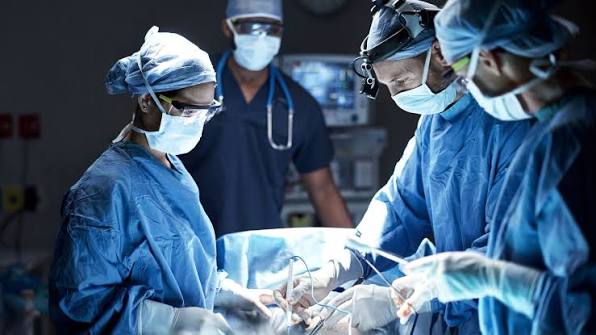
Advancements in medical technology have significantly improved hernia treatment outcomes. Patients today have access to minimally invasive techniques that promote faster recovery and reduced discomfort.
Open Hernia Repair
In an open repair procedure, the surgeon makes an incision near the hernia site and returns the protruding tissue to its proper position. The weakened area is then reinforced, often using surgical mesh.
Laparoscopic Surgery
Laparoscopic surgery involves several small incisions through which specialized instruments and a camera are inserted. This technique generally results in:
- Smaller scars
- Reduced postoperative pain
- Shorter hospital stays
- Faster recovery times
The choice between open and laparoscopic procedures depends on the patient's overall health, the type of hernia, and the surgeon's assessment.
Recovery After Surgery
Recovery experiences vary from person to person, but most patients can return to normal activities within a few weeks. Following postoperative instructions carefully is essential for optimal healing.
Patients are typically advised to:
- Avoid heavy lifting during recovery
- Follow dietary recommendations
- Maintain proper wound care
- Attend scheduled follow-up appointments
- Gradually increase physical activity
Many individuals notice significant relief from symptoms soon after surgery and are able to resume daily routines with improved comfort and confidence.
Preventing Future Hernias
While not all hernias can be prevented, adopting healthy lifestyle habits can help reduce the risk of recurrence or new hernia formation.
Helpful preventive measures include:
- Maintaining a healthy body weight
- Exercising regularly to strengthen core muscles
- Using proper lifting techniques
- Managing chronic coughs
- Avoiding excessive strain during bowel movements
- Following medical advice after abdominal surgery
Taking proactive steps can contribute to long-term abdominal health and overall well-being.
Choosing the Right Surgical Care
Selecting an experienced healthcare provider is one of the most important decisions a patient can make. A comprehensive evaluation, personalized treatment plan, and access to advanced surgical techniques can greatly influence treatment success.
At Bone Care One Day Surgery Center, patients benefit from professional medical expertise, modern facilities, and patient-centered care. From initial consultation to postoperative recovery, the focus remains on delivering safe, effective, and comfortable treatment experiences.
Conclusion
A hernia may begin as a minor concern, but ignoring symptoms can lead to complications and reduced quality of life. Understanding the condition, recognizing warning signs, and exploring treatment options can help individuals make informed healthcare decisions. For those considering Hernia Surgery in Abu Dhabi, seeking timely medical evaluation and expert guidance is the first step toward lasting relief and improved health. With modern surgical techniques and proper aftercare, most patients can expect a successful recovery and a return to normal daily activities.