
Healthcare
What Should You Know Before Visiting a Pain Management Clinic Abu Dhabi?

Bone care one day surgery
Living with persistent pain can affect every aspect of daily life, from work and family responsibilities to sleep and emotional well-being. Unlike temporary pain that usually resolves after an injury heals, chronic pain may continue for weeks, months, or even years. Whether the discomfort is caused by arthritis, sports injuries, spinal conditions, nerve disorders, or post-surgical recovery, seeking timely medical care is essential to prevent further complications and improve overall quality of life.
If you are considering a Pain management clinic Abu Dhabi, understanding the available treatment options and knowing when to seek professional care can help you make informed decisions about your health. A comprehensive evaluation by experienced specialists helps identify the root cause of pain and creates a personalized treatment plan aimed at improving mobility, reducing discomfort, and restoring everyday function.
Understanding Chronic Pain
Pain is the body's natural warning signal, alerting us that something requires attention. While acute pain usually improves as the body heals, chronic pain persists beyond the expected healing period. It may develop gradually or remain after an injury or surgery, affecting both physical and mental health.
Common causes of chronic pain include:
- Arthritis and joint degeneration
- Neck and back disorders
- Herniated or slipped discs
- Sciatica
- Sports-related injuries
- Muscle and ligament injuries
- Tendon disorders
- Nerve compression
- Post-operative pain
- Osteoporosis-related fractures
Identifying the underlying cause is the first step toward effective treatment.
Why Early Diagnosis Matters
Ignoring persistent pain can lead to worsening symptoms and reduced mobility. Continuous pain often causes individuals to avoid physical activity, which may weaken muscles, reduce flexibility, and contribute to additional joint problems. It can also affect sleep quality, concentration, and emotional health.
Early diagnosis allows healthcare professionals to determine whether pain originates from bones, joints, muscles, ligaments, nerves, or surrounding soft tissues. Appropriate treatment can then be initiated before the condition progresses further.
Comprehensive Evaluation
An effective pain assessment begins with a detailed medical history and physical examination. Specialists evaluate:
- Location and intensity of pain
- Duration of symptoms
- Previous injuries or surgeries
- Lifestyle and occupational factors
- Range of motion
- Muscle strength
- Neurological function
When necessary, diagnostic imaging such as X-rays, MRI scans, CT scans, ultrasound, or laboratory investigations may be recommended to confirm the diagnosis.
Treatment Approaches
Modern pain management focuses on treating the underlying condition rather than simply masking symptoms. Depending on the diagnosis, treatment plans may include one or more approaches.
Medication Management
Certain conditions respond well to carefully prescribed medications that reduce inflammation, relieve discomfort, or improve nerve function. Treatment is always tailored to the individual's condition and overall health.
Physical Rehabilitation
Physiotherapy plays an important role in restoring flexibility, improving strength, correcting posture, and reducing pain. Structured rehabilitation programs help patients regain confidence while minimizing the risk of future injuries.
Image-Guided Injections
For selected patients, targeted injections may help reduce inflammation around affected joints, nerves, or soft tissues. These procedures are typically performed using imaging guidance to improve precision and effectiveness.
Lifestyle Modifications
Maintaining a healthy weight, practicing proper posture, engaging in appropriate exercise, and avoiding repetitive strain can significantly reduce ongoing discomfort. Healthcare professionals often provide individualized recommendations to support long-term recovery.
Conditions Commonly Managed
Specialists provide care for a wide range of musculoskeletal and spine-related conditions, including:
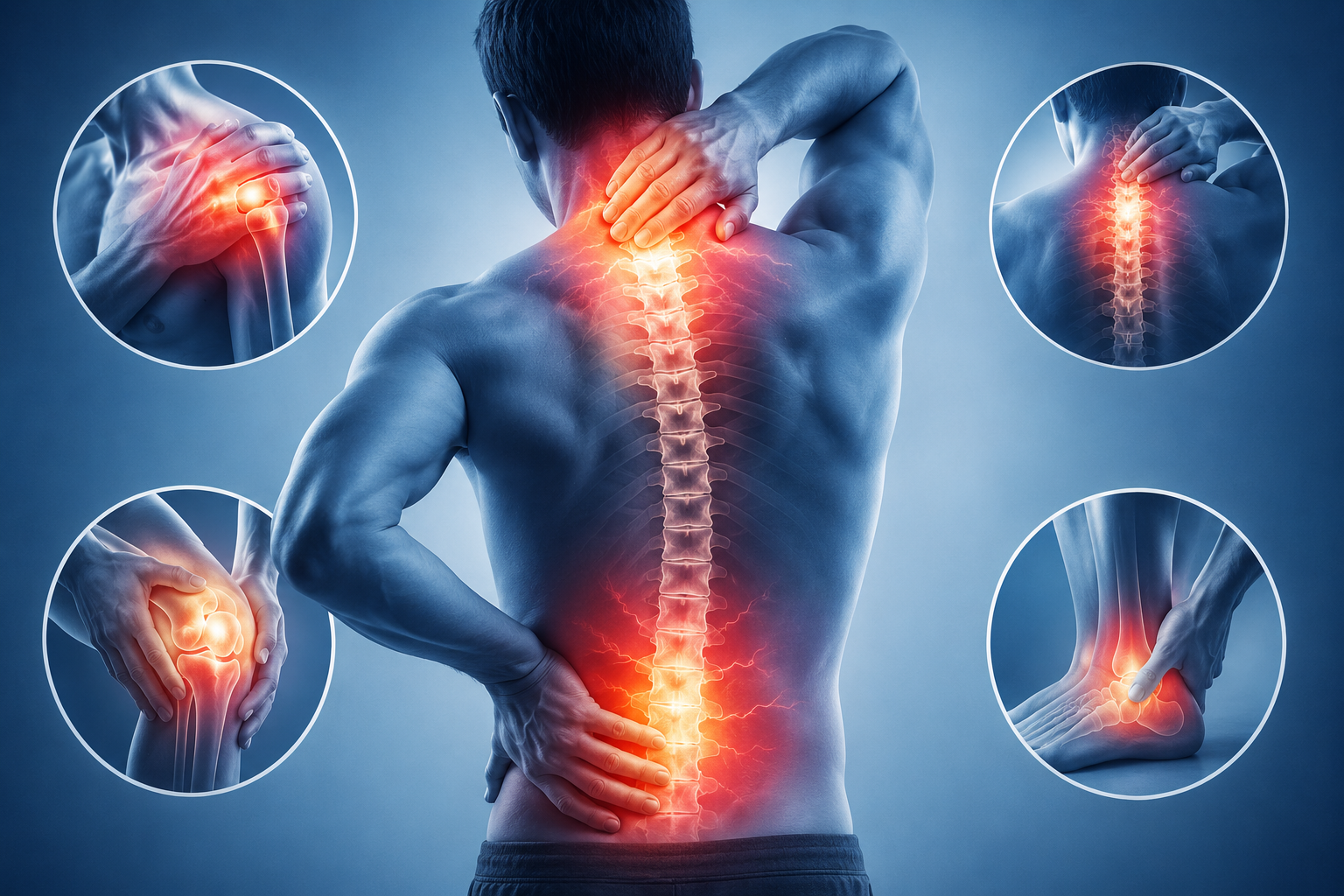
- Chronic neck pain
- Lower back pain
- Frozen shoulder
- Knee pain
- Hip pain
- Sciatica
- Arthritis
- Cervical spondylosis
- Lumbar disc disorders
- Sports injuries
- Tendinitis
- Nerve-related pain
Every treatment plan is customized according to the patient's diagnosis, medical history, and functional goals.
The Importance of Personalized Care
No two patients experience pain in exactly the same way. Factors such as age, activity level, occupation, medical history, and underlying health conditions all influence treatment decisions.
Personalized care focuses on identifying realistic recovery goals while combining appropriate therapies that best meet each patient's needs. Regular follow-up appointments also allow specialists to monitor progress and modify treatment plans whenever necessary.
Preventing Future Pain
While not every condition can be prevented, adopting healthy lifestyle habits can reduce the risk of developing chronic musculoskeletal problems.
Helpful preventive measures include:
- Maintaining good posture
- Exercising regularly
- Strengthening core muscles
- Using proper lifting techniques
- Stretching before physical activity
- Maintaining a healthy body weight
- Staying physically active
- Managing underlying medical conditions
These habits contribute to better joint health, improved flexibility, and long-term mobility.
Expert Care at Bone Care One Day Surgery Center
Bone Care One Day Surgery Center offers comprehensive orthopedic and musculoskeletal care for patients experiencing acute and chronic pain conditions. Using advanced diagnostic techniques and evidence-based treatment approaches, the medical team develops individualized care plans focused on improving function, reducing discomfort, and enhancing overall quality of life.
Whether pain results from spinal disorders, joint problems, sports injuries, or degenerative conditions, patients receive thorough evaluation and treatment designed to address the underlying cause rather than only managing symptoms. As a trusted Pain management clinic Abu Dhabi, the center emphasizes patient-centered care, minimally invasive treatment options whenever appropriate, and rehabilitation strategies that support lasting recovery.
Conclusion
Persistent pain should never be considered a normal part of daily life. Early evaluation, accurate diagnosis, and individualized treatment can significantly improve mobility, comfort, and overall well-being. Modern pain management combines advanced diagnostics, non-surgical therapies, rehabilitation, and preventive strategies to help patients regain an active and independent lifestyle.
If ongoing pain is interfering with your daily activities or limiting your quality of life, consulting experienced orthopedic specialists can help identify the cause and recommend the most appropriate treatment plan for your individual needs.