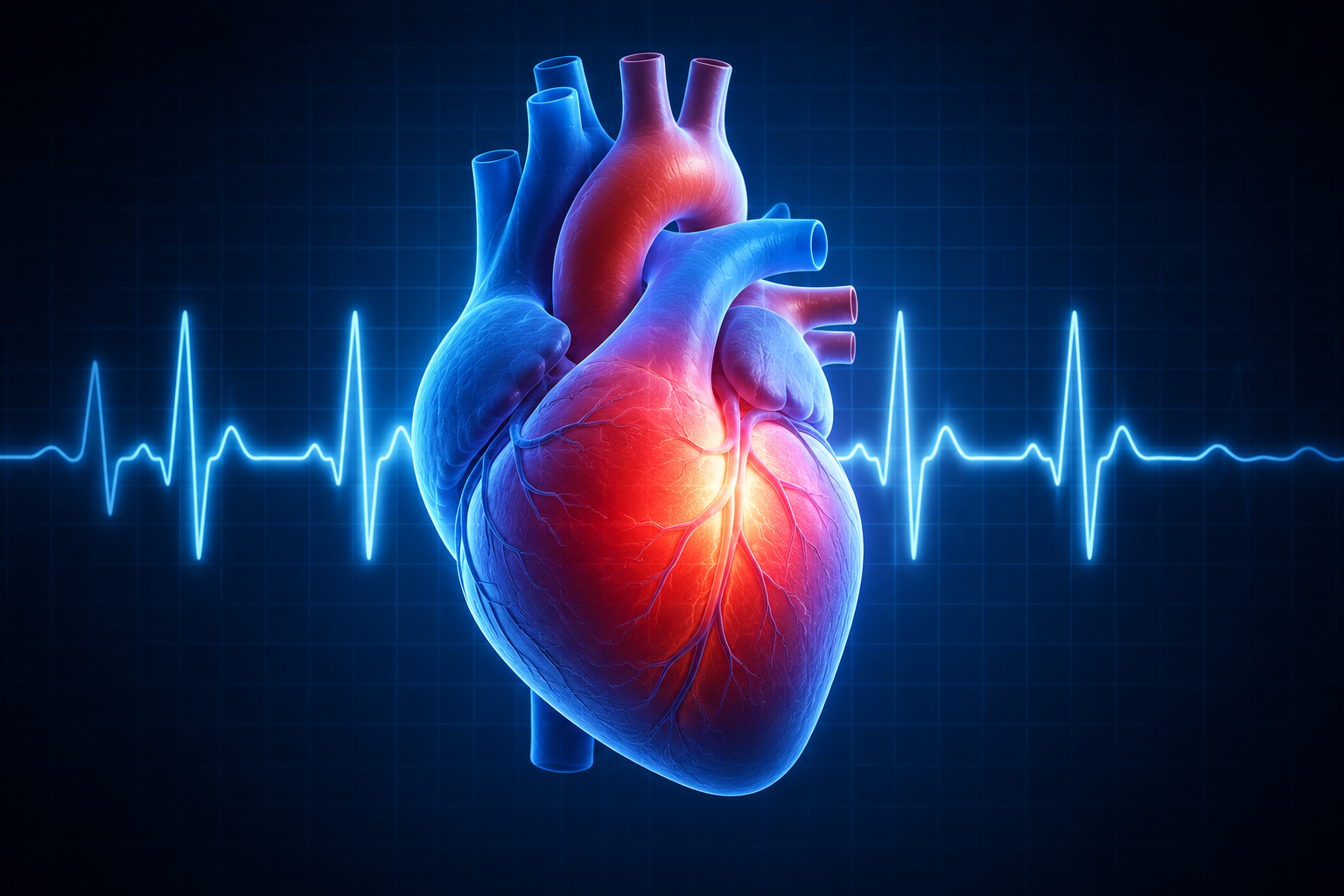
A healthy heart beats in a steady and coordinated rhythm, ensuring that oxygen-rich blood is delivered efficiently throughout the body. However, when the heart's electrical system is disrupted, it can lead to abnormal heart rhythms, also known as arrhythmias. While some rhythm disturbances are harmless, others may increase the risk of serious health complications if left untreated. Early diagnosis and appropriate medical care are essential for maintaining heart health and preventing future problems.
If you are looking for a Heart Rhythm Clinic Abu Dhabi, choosing a center with experienced cardiac specialists and advanced diagnostic technology can make a significant difference in identifying the underlying cause of your symptoms. A comprehensive evaluation helps determine the most effective treatment plan while reducing the risk of long-term complications.
What Is a Heart Rhythm Disorder?
A heart rhythm disorder occurs when the electrical signals that control the heartbeat become abnormal. As a result, the heart may beat too fast, too slow, or irregularly. These conditions can affect people of all ages and may occur occasionally or persist over time.
Common types of arrhythmias include:
- Atrial fibrillation (AF)
- Atrial flutter
- Supraventricular tachycardia (SVT)
- Ventricular tachycardia
- Bradycardia
- Premature atrial contractions (PACs)
- Premature ventricular contractions (PVCs)
Each condition requires an accurate diagnosis to determine the most suitable management approach.
Common Symptoms That Should Not Be Ignored
Heart rhythm disorders can present with a wide variety of symptoms. Some individuals experience only occasional discomfort, while others develop persistent symptoms that interfere with daily life.
Common warning signs include:
- Palpitations
- Rapid heartbeat
- Slow heartbeat
- Dizziness
- Lightheadedness
- Shortness of breath
- Chest discomfort
- Fatigue
- Fainting or near-fainting episodes
Anyone experiencing these symptoms repeatedly should seek medical evaluation as early as possible.
Why Early Diagnosis Is Important
Early diagnosis helps physicians identify the exact cause of abnormal heart rhythms before complications develop. Detecting arrhythmias promptly allows treatment to begin at the right time and may reduce the risk of stroke, heart failure, or other cardiovascular conditions.
A comprehensive evaluation may include:
- Medical history review
- Physical examination
- Electrocardiogram (ECG)
- Holter monitoring
- Event recorder monitoring
- Echocardiography
- Exercise stress testing
- Blood investigations
In some cases, an electrophysiology study may be recommended to assess the heart's electrical pathways in greater detail.
Treatment Options for Heart Rhythm Disorders
Treatment depends on the type of arrhythmia, the severity of symptoms, and the patient's overall health.
Common treatment approaches include:
Lifestyle Modifications
Patients may be advised to improve heart health by maintaining a healthy weight, exercising regularly, reducing stress, limiting caffeine, and avoiding smoking.
Medications
Certain medications help regulate heart rhythm, control heart rate, or reduce the risk of complications associated with arrhythmias.
Catheter Ablation
For selected patients, catheter ablation is an effective minimally invasive procedure that targets the abnormal electrical pathway responsible for the arrhythmia.
Implantable Cardiac Devices
Some patients may benefit from pacemakers or implantable cardioverter defibrillators (ICDs) to help regulate heart rhythm safely.
The most appropriate treatment is determined after a detailed clinical evaluation.
Advanced Diagnostic Technology Improves Care
Modern cardiology has introduced highly accurate diagnostic tools that help specialists identify heart rhythm disorders with greater precision.
Advanced technologies support:
- Continuous rhythm monitoring
- Early detection of intermittent arrhythmias
- Personalized treatment planning
- Improved procedural accuracy
- Better long-term follow-up
Accurate diagnosis enables physicians to recommend treatments that are tailored to each patient's condition rather than relying on a one-size-fits-all approach.
The Importance of a Multidisciplinary Approach
Managing heart rhythm disorders often involves collaboration among different healthcare professionals. Cardiologists, cardiac electrophysiologists, imaging specialists, nurses, and rehabilitation teams work together to provide comprehensive care.
This coordinated approach offers several benefits:
- Accurate diagnosis
- Individualized treatment plans
- Better communication between specialists
- Improved patient education
- Ongoing monitoring after treatment
- Enhanced long-term outcomes
Patients also receive guidance on lifestyle modifications that support heart health and reduce the likelihood of recurrent symptoms.
Why Choose Bone Care One Day Surgery Center?
Bone Care One Day Surgery Center is committed to providing high-quality healthcare through experienced specialists, advanced medical technology, and patient-focused care. In addition to offering comprehensive surgical services, the center emphasizes accurate diagnosis, personalized treatment planning, and multidisciplinary care to support patients with a variety of medical conditions.
The medical team prioritizes patient safety, clinical excellence, and compassionate care throughout every stage of the treatment journey. Modern diagnostic facilities, efficient clinical processes, and individualized follow-up plans help ensure that every patient receives appropriate care based on their unique health needs.
Whether patients require diagnostic evaluation, minimally invasive procedures, or coordinated specialist consultations, the center is dedicated to delivering healthcare that combines expertise with comfort and convenience.
Conclusion
Heart rhythm disorders should never be ignored, particularly when symptoms become frequent or begin affecting daily activities. Early diagnosis, expert evaluation, and timely treatment can significantly improve heart health while reducing the risk of future complications.
If you are searching for a Heart Rhythm Clinic Abu Dhabi, selecting a healthcare provider with experienced specialists and advanced diagnostic capabilities is an important step toward effective management. Prompt medical attention, individualized treatment, and regular follow-up can help restore confidence, improve quality of life, and support long-term cardiovascular wellness.